Why Maine sees so many heating-related losses
Maine relies on heating oil more than almost anywhere in the country; roughly six in ten homes heat with oil. Wood stoves and wood furnaces are common in rural homes and camps. That combination means many fire claims here involve the heating system: chimney fires from creosote buildup, stove pipe failures, and oil-burner puffback. A fire and smoke damage claim in Maine needs an appraiser who understands how each one spreads damage through a house.
Puffback: small event, big cleanup
A puffback happens when an oil burner misfires and pushes soot and oily residue out through the heating system. In a house with forced hot air, soot can coat every room through the ductwork. In a house with baseboard heat, it may still travel through the basement and up stairways. The residue is oily and smears when wiped, so a quick wipe-down rarely works. Our oil-burner puffback documentation guide covers what to photograph and save.
What carrier fire and smoke estimates commonly miss
- Duct cleaning or replacement after soot moves through forced-air systems.
- Cleaning or sealing of every surface, including inside closets, cabinets and attic spaces.
- Odor control and sealing primer on framing and drywall before repainting.
- Contents cleaning, including textiles, upholstery and electronics.
- Chimney relining, masonry repair and full inspection after a chimney fire.
- Water damage from firefighting, often more extensive than the fire itself.
- Additional living expenses for realistic restoration time.
If the carrier questions how the fire started, suggests the stove was improperly installed, or raises any policy condition, that is a coverage matter. Speak with a Maine attorney before signing anything, and preserve the scene and equipment if you can.
Documentation that strengthens a fire claim
Photograph soot on light switches, ceiling corners, window sills and inside closets; those spots show how far residue traveled. Keep the burner service record and the technician’s report. Save receipts for hotel stays and meals. Make a room-by-room contents list and photograph damaged items before disposal. For larger losses, ask for the fire department report.
How appraisal applies to fire and smoke losses
When the carrier accepts the loss but scopes it as light cleaning, or prices partial replacement when a room needs full restoration, appraisal sets the amount. We inspect the full house, test residue in areas the adjuster may have skipped, and write a scope that addresses structure, systems and contents. Older Maine homes with plaster, original woodwork and wide pine floors need restoration pricing that reflects those materials.
Illustrative example
Illustrative example: a puffback in a Waterville cape with forced hot air spreads soot through every room. The carrier pays $7,900 for cleaning the basement and first floor. The owner’s scope adds second-floor cleaning, duct replacement, sealing primer and contents cleaning, totaling $22,400. That scope and pricing gap is what appraisal addresses. Figures are invented for illustration.
Total losses and historic fires
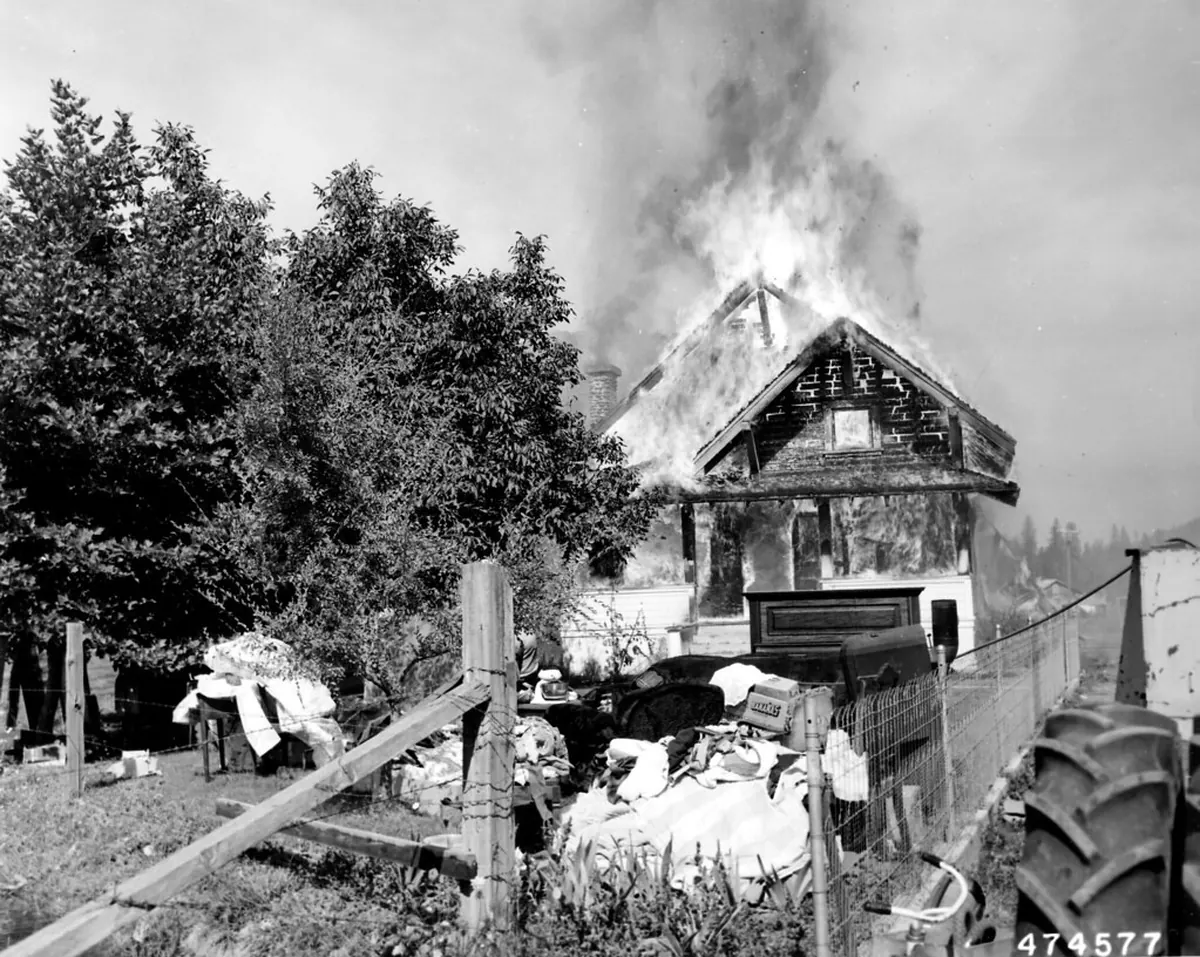
Maine knows what fire can do; the Great Fire of 1911 in Bangor and the 1947 fires on Mount Desert Island remain part of local memory. For a total loss, the disputed amount often turns on replacement cost for an older, distinctive house. We document the building as it was, using photos, plans and local construction details, so the estimate reflects real rebuild costs. See our Bar Harbor page for Mount Desert Island specifics.
Questions about fire, smoke & puffback appraisal
Is oil-burner puffback covered in Maine?
Many homeowners policies cover sudden puffback damage, though wording varies. Read your policy, and if the carrier denies coverage, consult a Maine attorney.
Can a fire and smoke damage claim in Maine include duct cleaning?
Yes, when soot traveled through the ductwork. Duct cleaning or replacement is a common item missing from carrier estimates.
What about a chimney fire with no visible damage?
Chimney fires can crack flue tiles and damage masonry that is invisible from outside. A chimney inspection with camera footage helps document the damage.
Should I throw away smoke-damaged items?
Photograph and list them first, and ask the carrier before disposing of anything. Evidence of damaged contents supports the amount.