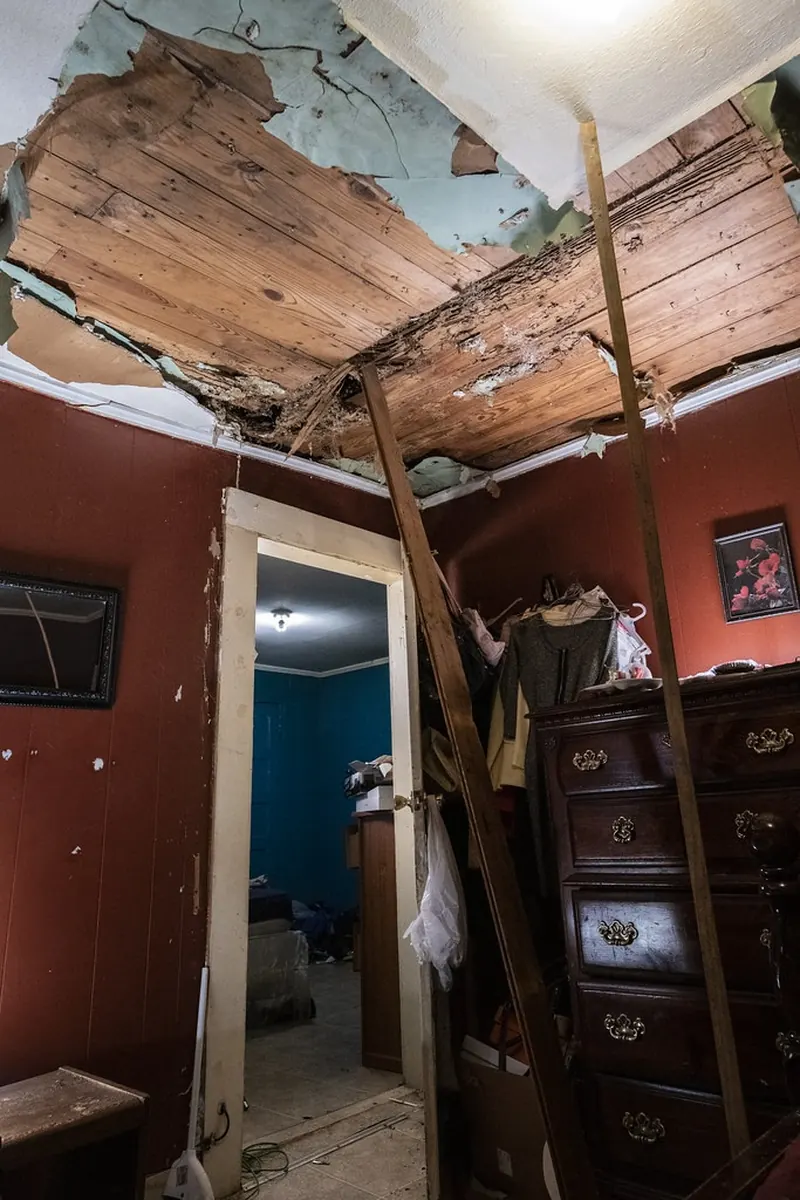
The water losses we see most in Maine
Frozen and burst pipes are the classic Maine winter claim, especially in older homes with plumbing in exterior walls and in seasonal camps and second homes left with the heat turned down. Failed water heater tanks, washing machine hoses, dishwasher lines and ice maker supply lines account for many of the rest. Wind-driven rain during nor’easters adds another category. Each of these is usually a covered sudden and accidental discharge or wind-related loss, which makes a water damage insurance claim in Maine a frequent candidate for appraisal.
What carrier water estimates commonly miss
- Moisture that wicked into wall cavities, under cabinets and beneath hardwood or vinyl plank floors.
- Plaster and lath in older homes priced as drywall.
- Continuous flooring across rooms, where replacing one room leaves a visible seam.
- Insulation, vapor barrier and subfloor replacement in crawlspaces and below-grade rooms.
- Mold remediation where policy wording allows, and testing to confirm clearance.
- Drying equipment for realistic run times in a cold house, plus temporary heat.
- Additional living expenses if the home is not habitable during repairs.
The flood exclusion, explained carefully
Homeowners policies generally exclude flood, meaning surface water, rising rivers, storm surge and similar water from outside. They usually cover water that escapes suddenly from plumbing, heating or appliances inside the home. The December 18, 2023 storm, which flooded towns along the Kennebec and Androscoggin such as Rumford, Jay, Skowhegan and Hallowell, is an example where many losses were flood rather than covered water damage. Groundwater seepage, sewer backup and sump failure are often excluded or limited unless you bought an endorsement. Read your policy carefully, and if the carrier denies on a water exclusion, consult a Maine attorney.
Policies often limit freeze coverage unless heat is maintained or the plumbing is drained, and some suspend coverage after a home is vacant for a set period. Those conditions are coverage questions. Our seasonal camp vacancy check and the guide to seasonal camp vacancy and freeze claims explain what to look for.
Documentation that helps a water claim
Photograph the source, such as the split pipe or failed hose, and keep the broken part. Get a moisture map from the mitigation company with readings by room and date. Keep drying logs, equipment invoices and receipts for temporary heat. Photograph damaged flooring before it is torn out, including any product labels on the back. If contents were damaged, build a room-by-room inventory.
How appraisal applies
When the carrier accepts the water loss but limits scope to visible stains or prices builder-grade materials in a house that never had them, appraisal decides the amount. We review mitigation records, inspect for remaining moisture, and write a scope that includes matching and finish work. If the dispute is mostly about the mitigation invoice, our insurance estimate review may be a good first step.
Illustrative example
Illustrative example: a supply line bursts in an upstairs bathroom of a Bangor colonial. The carrier pays $11,200 for the bathroom and kitchen ceiling below. The owner’s scope adds plaster walls in the dining room, continuous oak flooring through three rooms and longer drying, totaling $27,600. That gap is the kind of scope and pricing dispute appraisal resolves. Figures are invented for illustration.
Timing a water claim in winter
Water losses rarely wait for good weather. Mitigation should start right away to limit damage, but rebuilding can often wait until the house is dry and the full scope is known. Report promptly, keep the carrier informed, and avoid signing a final release before hidden damage has been opened up and documented.
Questions about water damage appraisal
Does a Maine homeowners policy cover burst pipes?
Most cover sudden and accidental discharge from plumbing, including freeze damage, if you took the steps the policy requires to maintain heat or drain the system.
Is river flooding part of a water damage insurance claim in Maine?
Usually not. Homeowners policies generally exclude flood, which requires an NFIP or private flood policy. Water escaping inside the home is treated differently.
Can appraisal include mold remediation?
If the policy covers mold resulting from a covered water loss, appraisal can set the amount. Many policies cap mold coverage, so check the limit.
What if my camp was vacant when the pipes froze?
Vacancy and freeze conditions can affect coverage. That is a question for your policy and a Maine attorney, not for appraisal.