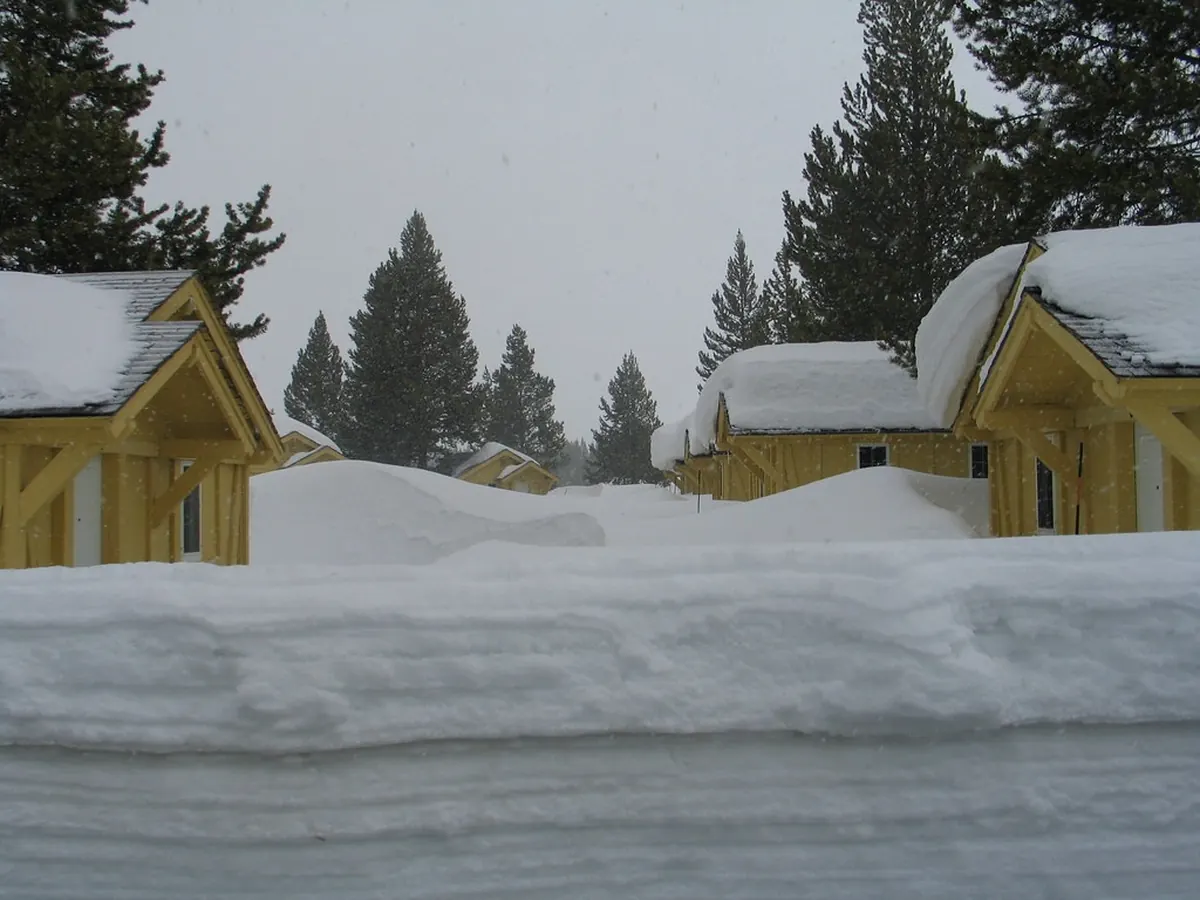
Why camps get extra scrutiny
Thousands of Maine lake camps, coastal cottages and ski condos sit empty for weeks at a time in winter. Homeowners policies commonly limit coverage for freezing unless the owner kept heat on or shut off and drained the water, and many restrict certain losses once a building has been vacant or unoccupied beyond a set period, often 60 consecutive days. Seasonal-dwelling endorsements can change those rules.
How the check works
The tool counts the days between the last overnight stay and the day damage was found, compares that with the window you choose, and lists the documents that show reasonable care: fuel delivery slips, thermostat or alarm logs, a caretaker’s visit notes and plumber invoices for winterizing.
Policies define them differently. A furnished camp you visit now and then may be unoccupied without being vacant. The exact wording in your policy decides which limits apply, and coverage questions belong with your agent or a Maine attorney.
Read the full guide: seasonal camps, vacancy clauses and freeze claims. If coverage is accepted and the dispute is over cost, see water damage appraisal.
Questions about this tool
Does passing the vacancy window mean no coverage?
Not automatically. It depends on the policy definitions and on which peril caused the loss, so the result is a prompt to read your policy, not a coverage decision.
What proof of heat helps most?
Fuel delivery records, utility bills showing normal use, smart thermostat or temperature-alarm logs, and dated notes from whoever checked the property.
Can appraisal decide whether the freeze exclusion applies?
No. Appraisal sets the amount of a covered loss. Whether an exclusion applies is a coverage question for the carrier, and possibly a court.