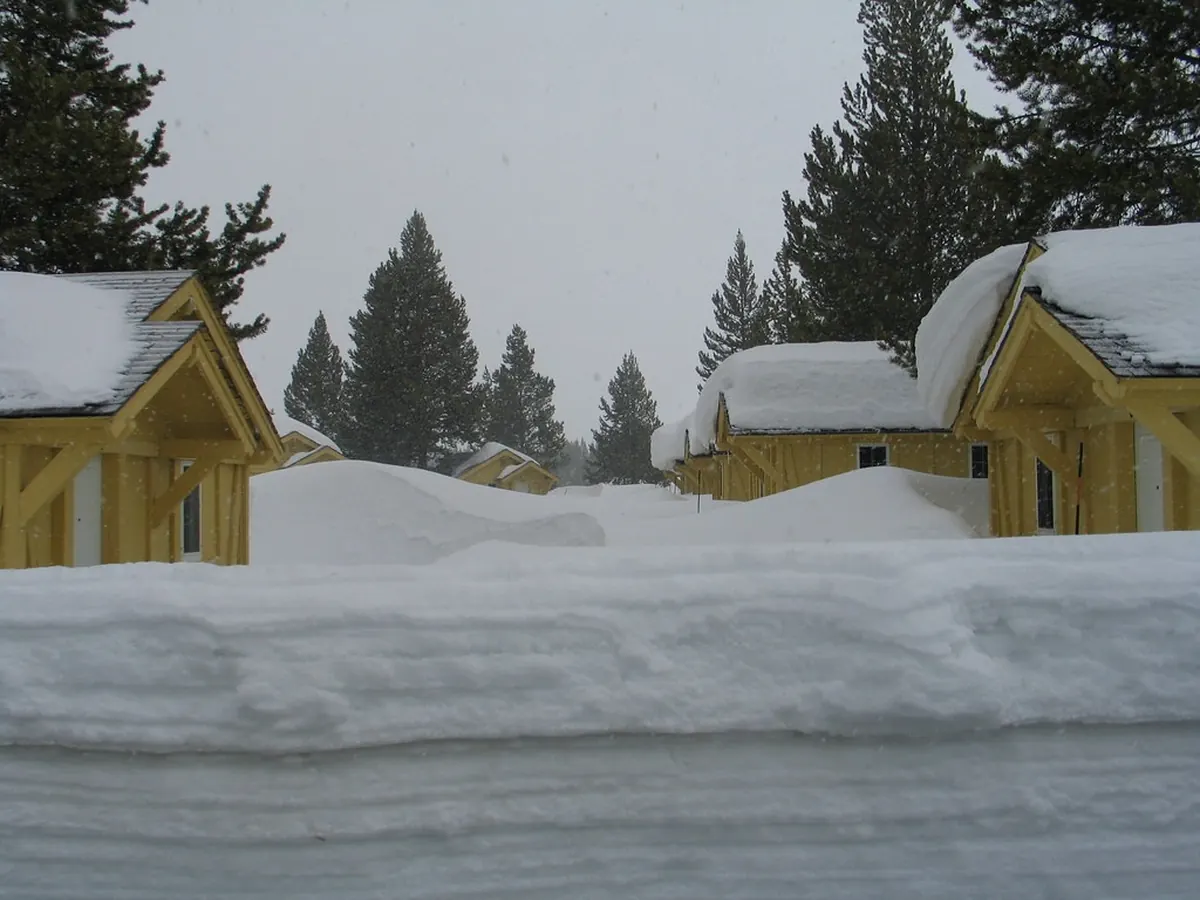
Why seasonal camp freeze claims are different
Seasonal camp freeze claims are among the most common winter losses in Maine and among the most argued. A camp on a lake in Oxford or Piscataquis County sits empty from Columbus Day to Memorial Day. A power outage or a failed furnace in January goes unnoticed for weeks, a pipe splits, and water runs until a neighbor or a plow driver sees ice on the windows.
Unlike most losses, the first fight in these claims is often about coverage rather than dollars. Vacancy clauses, unoccupancy limits and heat-maintenance conditions can decide whether the policy pays at all. Only once that is settled does the size of the check become the question.
The policy conditions that matter
Three kinds of policy language come up again and again in seasonal camp freeze claims.
Heat-maintenance or freeze conditions
Many homeowners and seasonal dwelling policies exclude freezing damage to plumbing unless you either maintained heat in the building or shut off the water supply and drained the system and appliances. Some policies require both a working heat source and monitoring, such as a low-temperature alarm.
Vacancy and unoccupancy
Vacancy usually means the building is empty of people and most belongings. Unoccupancy means furnished but nobody living there, which describes most camps in winter. Some policies limit coverage for certain perils, including freezing, after a set number of days in either state. Seasonal dwelling forms are often written with this use in mind, which is one reason it matters what form you actually have.
Surplus lines wording
Because Maine has no FAIR plan, many remote or older camps are insured through surplus lines carriers. Their forms can add unique conditions, such as requiring a caretaker visit every set number of days. Read every endorsement.
Our seasonal camp vacancy check walks through the vacancy, unoccupancy and freeze-protection questions so you can see where your camp stands before the first hard freeze.
Documenting a burst pipe loss
If the carrier accepts coverage, the amount of loss is the next battle, and the evidence you gather early does most of the work.
- Photograph the burst fitting, the frozen lines and any ice inside before anything is removed.
- Keep fuel delivery receipts, propane tank readings or electric bills that show heat was on.
- Save caretaker logs, alarm system records and smart thermostat history.
- Get moisture mapping from a mitigation company, including subfloor and crawlspace readings.
- Save the failed pipe section or fitting, since a plumber or engineer may want to examine it.
Where camp estimates run short
Carrier estimates for seasonal camps often miss costs tied to location and season.
- Access. Camps on unplowed roads or reachable only by boat or snowmobile in winter carry real access costs.
- Drying time. Unheated buildings dry slowly, and temporary heat may be needed to dry them at all.
- Older materials. Knotty pine paneling, wide pine floors and beadboard ceilings are hard to match.
- Contractor travel. Crews may need to travel an hour or more each way to reach a remote lake.
- Plumbing and systems. Water heaters, pumps and pressure tanks that froze are often part of the loss.
Illustrative example: a carrier estimate for a burst pipe at a Rangeley-area camp covers kitchen drywall and a section of vinyl floor at $7,200. The owner’s contractor adds wet knotty pine paneling, a replaced pressure tank, temporary heat for drying and winter access by plowing, for a total of $18,600. The figures are made up for illustration, but camp losses often widen this way once location costs are counted.
When appraisal fits a seasonal camp freeze claim
Appraisal fits seasonal camp freeze claims once the carrier has accepted coverage and the disagreement is over scope or price. It will not resolve a denial based on a heat or vacancy condition. That is a coverage dispute, and a Maine attorney is the right person to review it.
If coverage is accepted and you think the numbers are short, our water damage loss appraisal page explains how we approach freeze losses. Keep the dates of the loss, the discovery and every payment in one place, and read your policy’s suit limitation clause, which in many policies runs one to two years. Seasonal camp freeze claims reward early, careful records.